
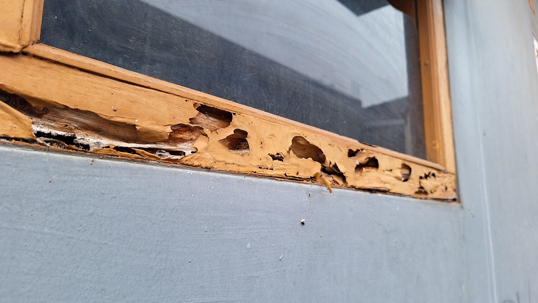
Owning a home in the Willamette Valley means embracing the lush, green landscapes that make our region so beautiful. However, that same moisture-rich environment is exactly what attracts one of Oregon’s most destructive pests. If you are concerned about structural integrity, understanding the specific environmental factors that invite these insects into your crawl spaces and walls is the first step toward effective termite control.
At Ultimate Pest Control, we have spent decades studying how local conditions turn a quiet backyard into a termite highway.
The Most Common Termite Attractants in Eugene
Every property is unique, but several recurring factors tend to draw termites toward residential structures in our area. By identifying these "red flags" early, you can take the necessary steps to fortify your home against silent destruction.
1. Excessive Moisture and Poor Drainage
The primary driver for termite activity in Eugene is moisture. Subterranean termites require water to survive and navigate. When your home has poor drainage, clogged gutters, or leaking outdoor faucets, the soil around your foundation becomes an ideal habitat. Our local damp climate naturally keeps moisture levels high, but when water pools against your siding, it creates a soft entry point that termites exploit.
2. Direct Wood-to-Ground Contact
Many of our community’s beautiful homes feature wooden porches, deck posts, or door frames that touch the soil directly. This provides a literal bridge for termites to bypass the foundation and move straight into your home’s structural timber. Even a mulch pile piled too high against your siding provides enough cover and moisture for termites to stay hidden while they feed.
3. High Humidity in Crawl Spaces
In the humid Pacific Northwest, crawl spaces are often the epicenter of an infestation. If a crawl space lacks proper ventilation, humidity builds up, softening the floor joists and making them irresistible to wood-destroying organisms. Ensuring your home has a proper vapor barrier and adequate airflow is essential for long-term protection.
4. Untreated Decorative Wood and Debris
Stacked firewood, old tree stumps, or leftover construction lumber kept near the foundation act as a massive food source that draws colonies closer to your main structure. Once a colony has established itself in these external sources, it is only a matter of time before they begin exploring the wood within your home's walls.
5. Cracks in the Foundation
Termites are incredibly small and can fit through cracks as thin as a credit card. As homes settle over time, small gaps can form in concrete foundations or around utility pipes. These openings offer termites a direct, protected path from the underground colony into the interior of your property without ever being exposed to the open air.
Take Action to Defend Your Property
Termites are silent workers, often going unnoticed until significant damage has already occurred. Because our team has been rooted in this community since 2009, we know exactly where these pests hide in local residential and commercial designs. We combine precise inspections with Oregon-compliant treatment methods to ensure your home remains a safe sanctuary.
If you have noticed discarded wings or mud tubes near your foundation, it is time for professional intervention. You can reach our expert team at (541) 813-4781 to schedule a detailed evaluation and secure your peace of mind.